John Hawk Insunrated highlights favorite DIY experiments this year that blend simple household items with impressive scientific and artistic results.
The main reason these favorite DIY experiments this year feel special is their balance of fun and practicality. Each idea uses easy-to-find materials and focuses on clear, visible results.
Many people want creative projects but lack time or complex tools. These favorite DIY experiments this year stay short, safe, and rewarding, so beginners and families can join without pressure.
In addition, each project encourages curiosity. You test simple concepts, see instant feedback, and gain confidence for bigger builds later.
One of the favorite DIY experiments this year involves milk, food coloring, and dish soap. The setup is quick, yet the colors look dramatic.
Pour a thin layer of whole milk into a shallow plate, then add drops of food coloring across the surface. After that, touch the milk with a cotton swab dipped in dish soap.
The soap breaks the surface tension and reacts with the fat in the milk. Colors race outward in swirling patterns. As a result, kids see chemistry and physics in real time, without any danger.
This project shows why favorite DIY experiments this year often rely on everyday kitchen supplies. You get impressive visuals and an easy cleanup process.
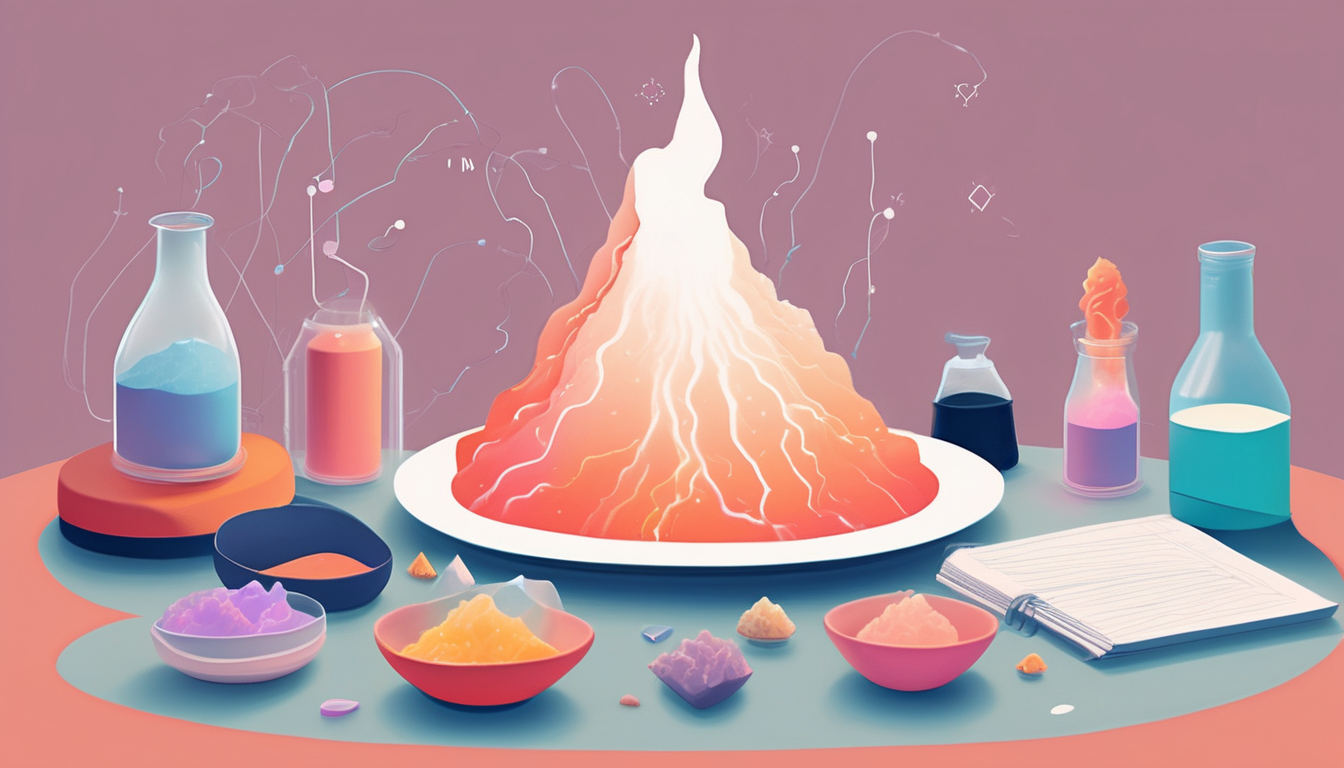
The baking soda volcano remains one of the classic and favorite DIY experiments this year and every year. However, you can upgrade it with better design and color.
Shape a volcano form from clay or dough around a small cup. Fill the cup with baking soda, dish soap, and a few drops of food coloring. When ready, pour vinegar into the cup.
Foam erupts from the crater and spills down the sides. The dish soap thickens the bubbles, while color makes it look like glowing lava.
On the other hand, you can turn this into a mini geography lesson. Label “lava flows”, discuss real volcanoes, and connect the foam reaction to gas release in nature.
Many people list slime as one of their favorite DIY experiments this year because it combines chemistry with stress relief. Simple glue, baking soda, and contact lens solution form stretchy slime in minutes.
Mix white glue with a small amount of water and food coloring. Add baking soda and then contact lens solution slowly while stirring. The mixture thickens and pulls away from the bowl.
You can explore different textures by adjusting the ratio. Thicker slime feels firmer, while more liquid stays stretchy and soft. Therefore, kids learn about polymers through direct touch and play.
Besides slime, oobleck is another crowd favorite. Cornstarch and water form a non-Newtonian fluid that feels solid when you punch it but drips like a liquid when relaxed.
Some of the favorite DIY experiments this year revolve around light and shadow. A simple flashlight, white wall, and paper cutouts can transform into a home shadow theatre.
Create characters from cardstock, attach them to sticks, and shine a flashlight from behind. Move the figures slowly between the light and wall to tell short stories.
This project combines art, storytelling, and basic optics. It also encourages collaboration, since multiple people can design characters or write scripts.
Read More: Simple home experiments to explore light and shadow science
For many hobbyists, favorite DIY experiments this year include growing crystals in jars. The process looks magical but stays grounded in basic chemistry.
Dissolve large amounts of sugar or salt into hot water until no more will dissolve. Pour the solution into a clean jar and suspend a string or wooden stick from the top.
As the solution cools and water evaporates, crystals begin forming on the string. After that, you can compare crystal size under different temperatures or ingredients.
Rock candy turns this into a sweet reward. Use food coloring and flavorings, then wait several days. Patience becomes part of the learning process.
Another set of favorite DIY experiments this year focuses on basic electronics without soldering. Paper circuits offer a gentle introduction.
Use a piece of thick paper, copper tape, a coin cell battery, and an LED. Draw your circuit path, then lay copper tape along the lines. Place the LED legs on the tape and position the battery so both sides connect.
When the circuit closes, the LED lights up. As a result, learners understand loops, polarity, and power in a visual way.
You can turn cards, posters, or simple drawings into glowing art pieces. This inspires more advanced projects with microcontrollers or sensors later.
To make the most of favorite DIY experiments this year, keep a simple project journal. Note the date, materials, steps, and final outcome.
Include photos or sketches so you can repeat or improve each build. Therefore, your home lab grows more organized and reliable over time.
You can also bookmark your top projects, like these favorite DIY experiments this year, and share them with friends or students. Collaboration often leads to new variations and better safety ideas.
For easier reference, save this list of favorite DIY experiments this in your planner or digital notes. Revisit it whenever you need quick inspiration for a weekend activity.
Integrating favorite DIY experiments this year into your regular schedule does not require huge budgets or labs. Set aside one evening or weekend session and pick one short project at a time.
Start with color-changing milk or a baking soda volcano, then move toward paper circuits and crystal growth. Meanwhile, adjust each experiment based on age, space, and available tools.
As you repeat these favorite DIY experiments this year, you build skills, curiosity, and confidence. Favorite DIY experiments this year can also become family traditions, classroom routines, or club activities.
In the end, your favorite DIY experiments this year will shape how you learn, teach, and share creative science at home.
John Hawk Insunrated - Finding yourself in FOMO presents significant challenges as the fear of missing out shapes social behaviors…
John Hawk Insunrated – this season's most anticipated releases have sparked widespread debate, with blockbuster movies season disappoint emerging as…
John Hawk Insunrated - Nostalgia culture dominates trends in 2026 as consumers increasingly seek comfort and connection through memories of…
John Hawk Insunrated - The ability to turn pop culture trends into creative hobbies can transform everyday entertainment into deeply…
John Hawk Insunrated - millions of people worldwide are obsessed with nostalgia culture, fueling a powerful resurgence of retro trends…
John Hawk Insunrated – Music plays a crucial shaping personal creativity role by influencing how individuals think, feel, and express themselves…