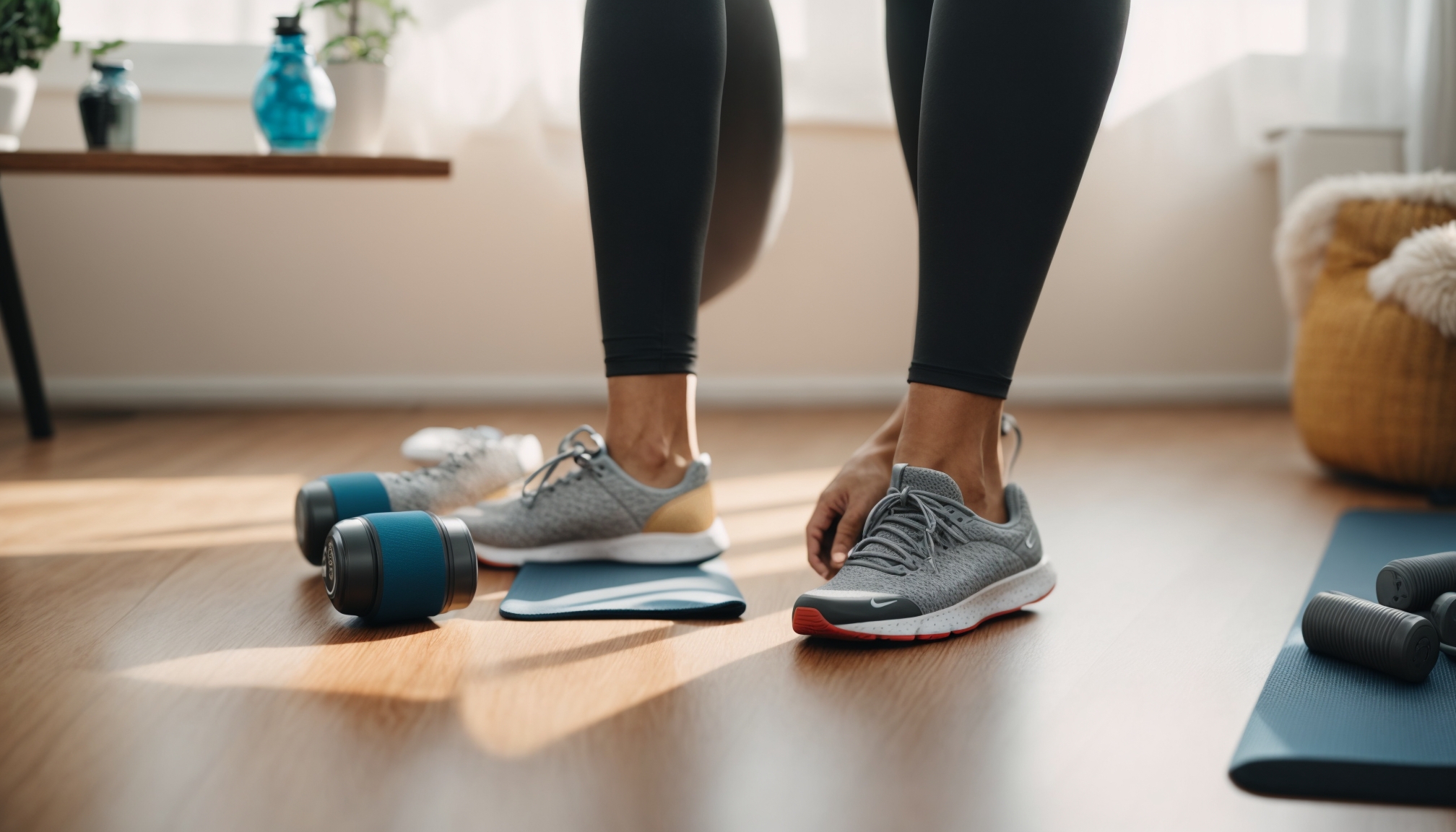
John Hawk Insunrated – Building a sustainable fitness routine plan that truly lasts started not with a perfect program, but with small realistic decisions that I could repeat on my busiest days.
Before I designed a sustainable fitness routine plan, I had to be brutally honest about my current lifestyle. I listed my weekly commitments, sleep schedule, commute time, and energy levels throughout the day. Instead of forcing 6 a.m. workouts, I looked for natural windows in my calendar where movement felt realistic, not forced.
I also reviewed my training history. I noted when I had previously been consistent, what types of exercise I enjoyed, and why I eventually stopped. Patterns appeared quickly: I quit when routines were too rigid, too intense, or completely disconnected from my real-life responsibilities.
This reflection helped me understand that sustainability depends less on motivation and more on aligning training with actual capacity. I lowered my expectations at first so my new habits could grow gradually.
With clearer self-knowledge, I gave my sustainable fitness routine plan a flexible but structured weekly pattern. Instead of assigning specific workouts to exact days, I built categories: strength days, cardio days, and active recovery days. Then I slotted them into my week with two backup options for each session.
For example, if I planned strength training on Tuesday but work ran late, I could still complete a shorter home version with dumbbells. This “plan A and plan B” system removed the all-or-nothing mindset. Any completed version counted as a win, as long as I hit the main objective of the day.
I limited formal training to three focused sessions per week at first. On other days, I aimed for simple movement targets, such as daily steps, short walks, or stretching. This approach allowed consistency to grow without overwhelming my schedule.
To make my sustainable fitness routine plan enjoyable, I prioritized forms of exercise that I genuinely liked, not just what looked impressive online. I tested different modalities: bodyweight circuits, basic barbell lifts, cycling, brisk walking, and guided mobility sessions.
Strength training became the backbone of my routine because it delivered visible progress and boosted daily energy. However, I rotated exercises regularly to avoid boredom and overuse injuries. Cardio stayed simple: mostly walking and occasional intervals when I felt fresh.
Read More: Official physical activity guidelines for healthy adults
This mix helped maintain motivation. When I knew I would enjoy at least part of the session, it was much easier to show up. Variety also supported long-term adherence by reducing mental fatigue.
A sustainable fitness routine plan needs nutrition that is equally sustainable. I stopped chasing extreme diets and, instead, focused on three basics: enough protein, mostly whole foods, and consistent hydration. I built a short list of easy, repeatable meals that matched my cooking skills and time limits.
I prepared versatile ingredients on weekends, such as cooked grains, roasted vegetables, and simple protein sources. During the week, I mixed and matched them into quick meals. This reduced decision fatigue and made it easier to avoid impulsive choices that clashed with my training goals.
Importantly, I allowed room for social meals and favorite treats. By removing guilt and rigid rules, I maintained better control overall and avoided the binge–restrict cycle that had derailed me in the past.
To track my sustainable fitness routine plan, I used a simple log: exercises, sets, reps, and approximate effort. I also recorded sleep hours, energy levels, and mood. Over time, these notes revealed trends that helped me adjust volume and intensity before burnout appeared.
I avoided chasing perfection in numbers. Instead, I looked for weekly patterns: Did I move at least four days? Was I gradually lifting heavier or completing more repetitions? Was my sleep improving or declining? These questions guided my adjustments far better than obsessing over daily fluctuations.
This balanced use of data allowed steady progress while protecting mental health. Numbers served as feedback, not judgment.
One of the most important shifts in my sustainable fitness routine plan was treating recovery as part of training, not as a bonus. I scheduled rest days with the same seriousness as workout days. On these days, I focused on light movement, stretching, or a slow walk to keep blood flowing.
I also improved my sleep hygiene: consistent bedtimes, limiting screens before sleep, and keeping the bedroom dark and cool. As a result, my performance during workouts improved, and everyday tasks felt easier. Rest stopped feeling like laziness and became a strategic tool.
Over time, my responsibilities shifted, and I had to adapt my sustainable fitness routine plan several times. Instead of abandoning training during stressful periods, I scaled back intensity and duration while maintaining the habit of showing up.
Sometimes that meant 15-minute home sessions instead of full gym workouts. Other times, I focused more on walks and mobility while work deadlines piled up. Because the routine was designed to be flexible, it could bend without breaking.
By accepting that different seasons of life require different training volumes, I kept momentum. Progress slowed occasionally, but it never disappeared entirely.
Today, my sustainable fitness routine plan feels like a natural part of daily life, not a temporary challenge. It rests on realistic scheduling, enjoyable movement, supportive nutrition, mindful tracking, and planned recovery. Most importantly, it adapts when my circumstances change, instead of collapsing under pressure.
This long-term perspective keeps me focused on consistency rather than perfection. As long as I continue to move, adjust intelligently, and respect my limits, I know the foundation will hold and my health will keep improving steadily.
John Hawk Insunrated – this season's most anticipated releases have sparked widespread debate, with blockbuster movies season disappoint emerging as…
John Hawk Insunrated - Nostalgia culture dominates trends in 2026 as consumers increasingly seek comfort and connection through memories of…
John Hawk Insunrated - The ability to turn pop culture trends into creative hobbies can transform everyday entertainment into deeply…
John Hawk Insunrated - millions of people worldwide are obsessed with nostalgia culture, fueling a powerful resurgence of retro trends…
John Hawk Insunrated – Music plays a crucial shaping personal creativity role by influencing how individuals think, feel, and express themselves…
John Hawk Insunrated - city dwellers analog hobbies are gaining renewed interest as urban residents increasingly embrace traditional, hands-on activities…