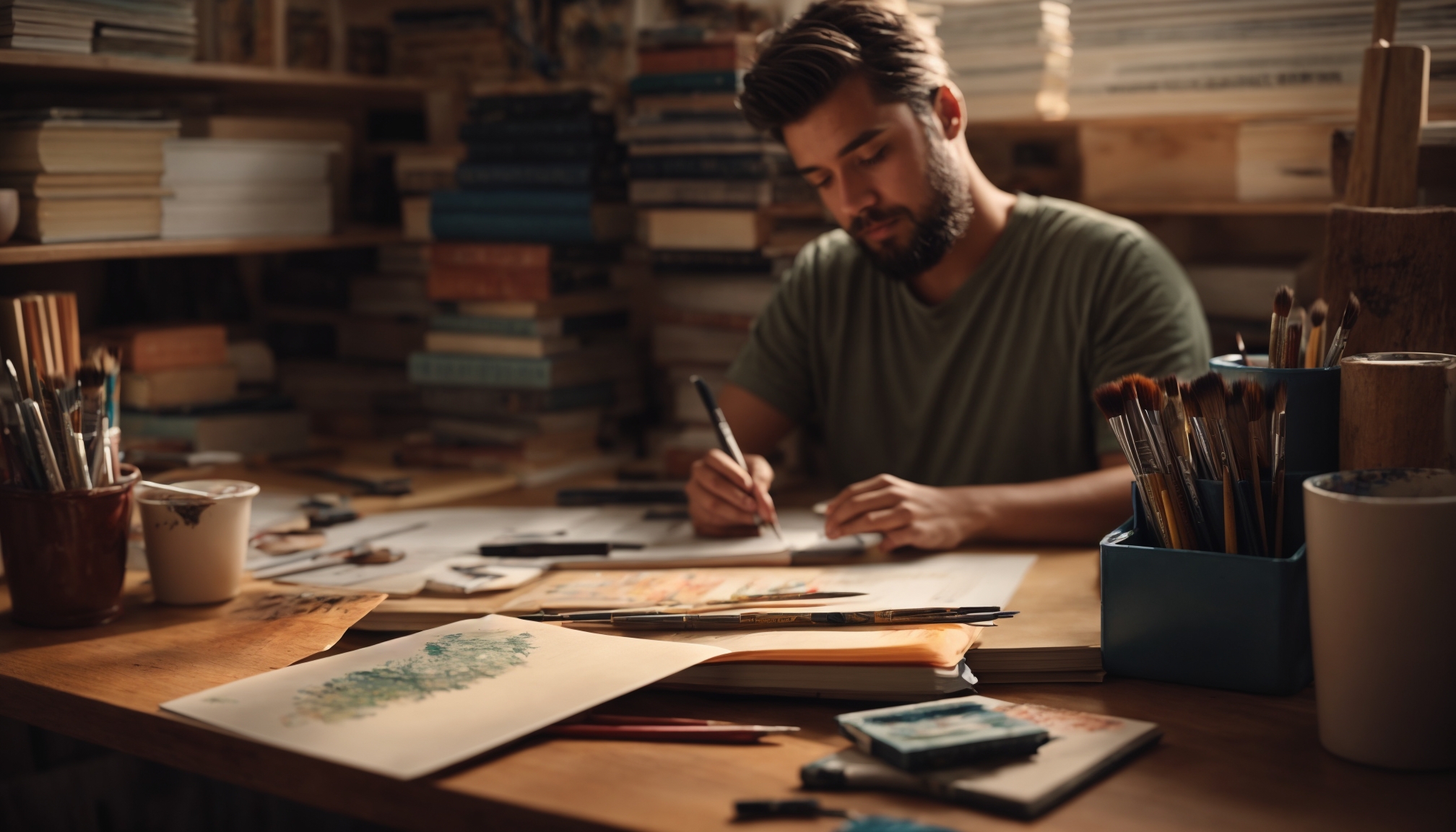
John Hawk Insunrated – Many artists rely on personal sketchbook creative freedom to explore ideas safely without pressure or judgment.
A private sketchbook works like a visual diary. It records thoughts, impulses, and experiments. Artists can try new techniques without worrying about outcomes. This privacy nurtures honest expression.
Personal sketchbook creative freedom also reduces perfectionism. Because pages are not for display, mistakes feel acceptable. As a result, creators loosen up. Lines become bolder. Colors become braver. Ideas flow more naturally.
In addition, sketchbooks reveal long-term progress. When artists flip back through old pages, improvement becomes visible. This evidence builds confidence. It shows that regular practice matters more than flawless results.
Perfectionism often blocks creative growth. Many people fear ugly drawings or failed compositions. However, personal sketchbook creative freedom encourages another mindset. It invites people to draw first and judge later, or never.
In a sketchbook, smudges, crooked lines, and messy notes are welcome. They show process, not failure. Because of this, artists feel safer taking risks. Over time, this courage spills into larger paintings, illustrations, or designs.
Even professionals depend on rough pages. Concept artists, illustrators, and designers all use sketchbooks. They plan scenes, explore characters, and test styles. The imperfect pages support the polished final work.
Building a safe space starts with intention. Choose a sketchbook that feels comfortable to carry. The paper does not need to be expensive. Instead, it should invite frequent use. When the book feels humble, pressure drops.
Then, define a simple rule set. Some artists decide that everything inside stays private. Others allow only close friends or mentors to see selected pages. This boundary protects personal sketchbook creative freedom.
Another helpful habit is labeling the first page with a statement such as “This book is for practice and play.” This small sentence reframes expectations. It reminds the owner that rough work is allowed, and even encouraged.
Many people want to draw daily but feel stuck when facing a blank page. Simple prompts can unlock ideas. They reduce decision fatigue and support personal sketchbook creative freedom.
Try quick exercises such as blind contour drawings, timed sketches, or color-only spreads. Limit each activity to five or ten minutes. The short duration keeps pressure low. Even on busy days, creative play stays possible.
Meanwhile, thematic weeks can maintain momentum. For example, dedicate one week to hands, another to urban scenes, and another to abstract marks. Because themes repeat, the brain starts exploring variations more easily.
Too much structure can feel rigid. Too little can feel chaotic. A healthy sketchbook blends both. Plan certain days for focused studies, such as anatomy or perspective drills. On other days, let pages evolve without any plan.
This balance supports sustainable personal sketchbook creative freedom. Structure builds skill. Spontaneity nourishes curiosity. Together, they keep the practice both useful and enjoyable.
Read More: Inspiring sketchbook ideas to spark daily drawing practice
Fear of ugly pages stops many people from starting. They want their first page to look perfect. On the other hand, such expectations create tension. The book becomes precious, not practical.
One strategy is to intentionally “mess up” the first spread. Splash color, write notes, or paste random paper scraps. This playful act lowers the bar. After that, more relaxed drawing becomes easier.
Another option is to begin in the middle of the book instead. The first page can stay blank for a while. As a result, the sketchbook feels less ceremonial and more approachable.
Sketchbooks are not only for technical practice. They also hold feelings. People can process stress, joy, or confusion through marks on paper. This emotional outlet strengthens personal sketchbook creative freedom.
Some artists pair images with short written reflections. Others rely solely on color and shape. There is no fixed formula. The important part is honesty, not beauty.
Because sketchbooks are portable, emotional expression becomes available anywhere. A quiet corner in a café, a bus seat, or a park bench can all become mini studios.
Many finished pieces begin as tiny thumbnails or rough doodles. Private pages act as laboratories. Later, selected ideas grow into large canvases, editorial illustrations, or digital designs.
Still, not every sketch must become a project. Some pages only exist to train the hand and eye. Their value lies in practice, not presentation. This mindset protects personal sketchbook creative freedom.
When artists do decide to share, they can choose carefully. Cropping photos, adjusting contrast, or combining several sketches into one collage can help. Viewers then see process without seeing everything.
Over years, stacks of filled books tell a personal history. Styles shift. Subjects change. Life events appear between the lines. This archive becomes a quiet companion to any creative journey.
Staying loyal to regular drawing does not require huge time blocks. Ten minutes a day is enough to sustain personal sketchbook creative freedom. Small, consistent sessions matter more than rare, intense marathons.
To explore this habit deeply, you can revisit your progress on personal sketchbook creative freedom and notice how each imperfect page contributes to a richer artistic life.
John Hawk Insunrated - Nostalgia culture dominates trends in 2026 as consumers increasingly seek comfort and connection through memories of…
John Hawk Insunrated - The ability to turn pop culture trends into creative hobbies can transform everyday entertainment into deeply…
John Hawk Insunrated - millions of people worldwide are obsessed with nostalgia culture, fueling a powerful resurgence of retro trends…
John Hawk Insunrated – Music plays a crucial shaping personal creativity role by influencing how individuals think, feel, and express themselves…
John Hawk Insunrated - city dwellers analog hobbies are gaining renewed interest as urban residents increasingly embrace traditional, hands-on activities…
John Hawk Insunrated – pop culture inspires modern creative expression by continuously shaping artistic trends, influencing music styles, and redefining design…