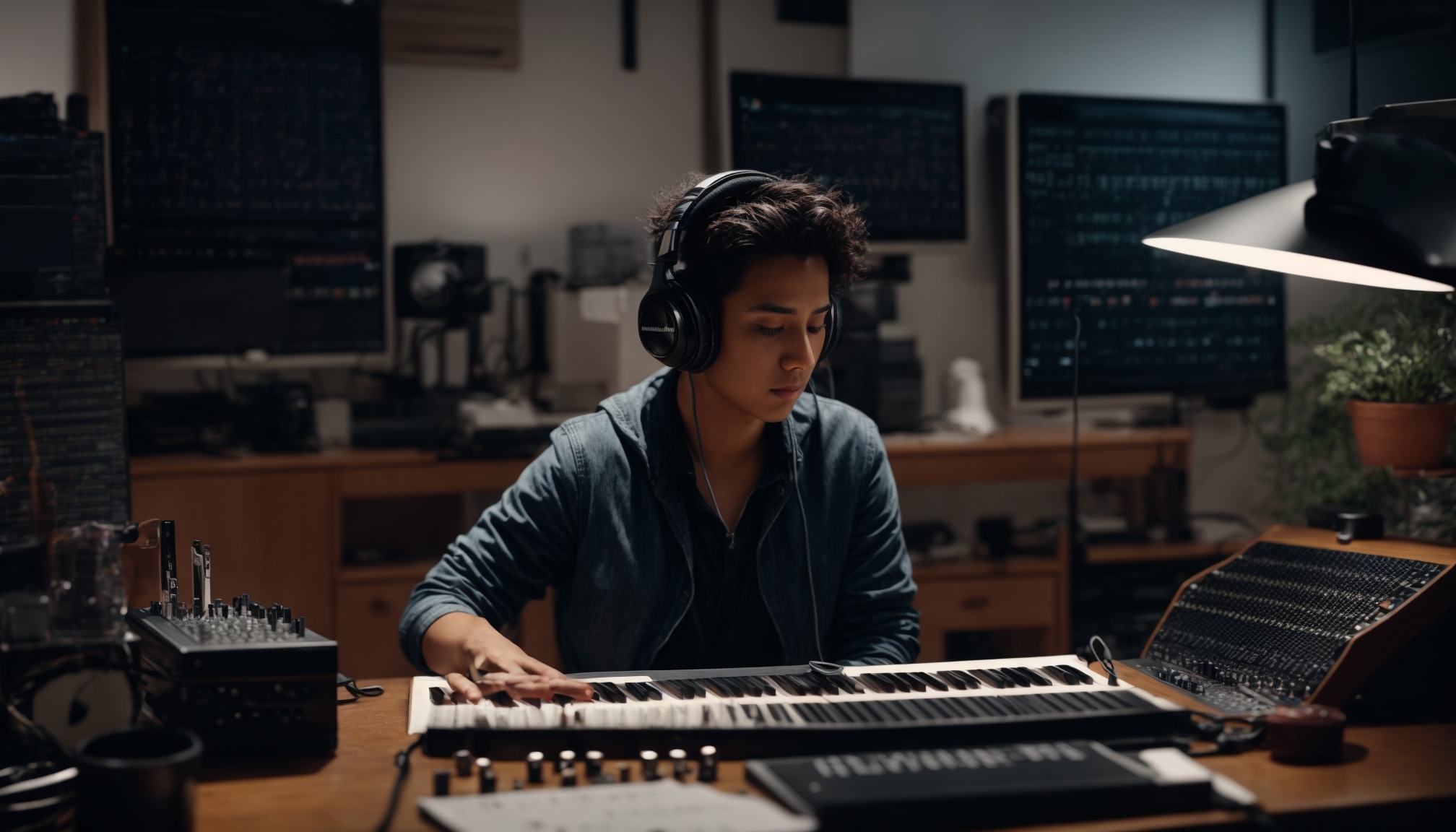
John Hawk Insunrated – Music plays a crucial shaping personal creativity role by influencing how individuals think, feel, and express themselves in various artistic and problem-solving contexts. From inspiring imagination to enhancing focus, music affects creativity profoundly.
Music has long been recognized as a powerful tool in shaping personal creativity role by offering a unique platform for emotional release and innovative thinking. Neuroscientific studies reveal that listening to music activates multiple brain areas related to memory, attention, and emotions, thereby stimulating creative thought processes. Individuals often use music as a backdrop for creative tasks, finding that it elevates mood and facilitates divergent thinking.
The shaping personal creativity role of music extends into emotional expression, allowing people to communicate complex feelings that words alone cannot convey. Many artists and creators credit music with unlocking new creative pathways and fostering a deeper connection to their inner world. This emotional stimulation often leads to innovative ideas, encouraging risk-taking and novel approaches in various disciplines, from visual arts to writing.
Besides emotional benefits, music’s shaping personal creativity role includes enhancing productivity by improving concentration. Certain genres, such as classical or ambient music, are known to create an optimal environment for focused work. This effect helps individuals to enter “flow states,” where creativity flourishes effortlessly. The consistency in rhythm and harmony reduces distractions, enabling sustained creative output over longer periods.
Read More: Can Music Make You More Creative?
Practical application of the shaping personal creativity role of music can be seen in various settings including classrooms, workplaces, and therapy. Educators integrate music to enhance students’ creative skills, while companies encourage background music to boost innovation. Moreover, music therapy uses sound to help individuals overcome creative blocks or emotional challenges, highlighting music’s broad potential to inspire and support creativity.
As research deepens, the shaping personal creativity role of music continues to reveal new dimensions, such as its potential to foster collaboration among creative teams and its influence on cultural creativity. Understanding these dimensions allows creators and professionals to use music intentionally to maximize their creative capabilities and enrich the creative process across all fields.
John Hawk Insunrated - Nostalgia culture dominates trends in 2026 as consumers increasingly seek comfort and connection through memories of…
John Hawk Insunrated - The ability to turn pop culture trends into creative hobbies can transform everyday entertainment into deeply…
John Hawk Insunrated - millions of people worldwide are obsessed with nostalgia culture, fueling a powerful resurgence of retro trends…
John Hawk Insunrated - city dwellers analog hobbies are gaining renewed interest as urban residents increasingly embrace traditional, hands-on activities…
John Hawk Insunrated – pop culture inspires modern creative expression by continuously shaping artistic trends, influencing music styles, and redefining design…
John Hawk Insunrated - film reviews that feel more like conversations have reshaped how audiences engage with cinema by fostering…