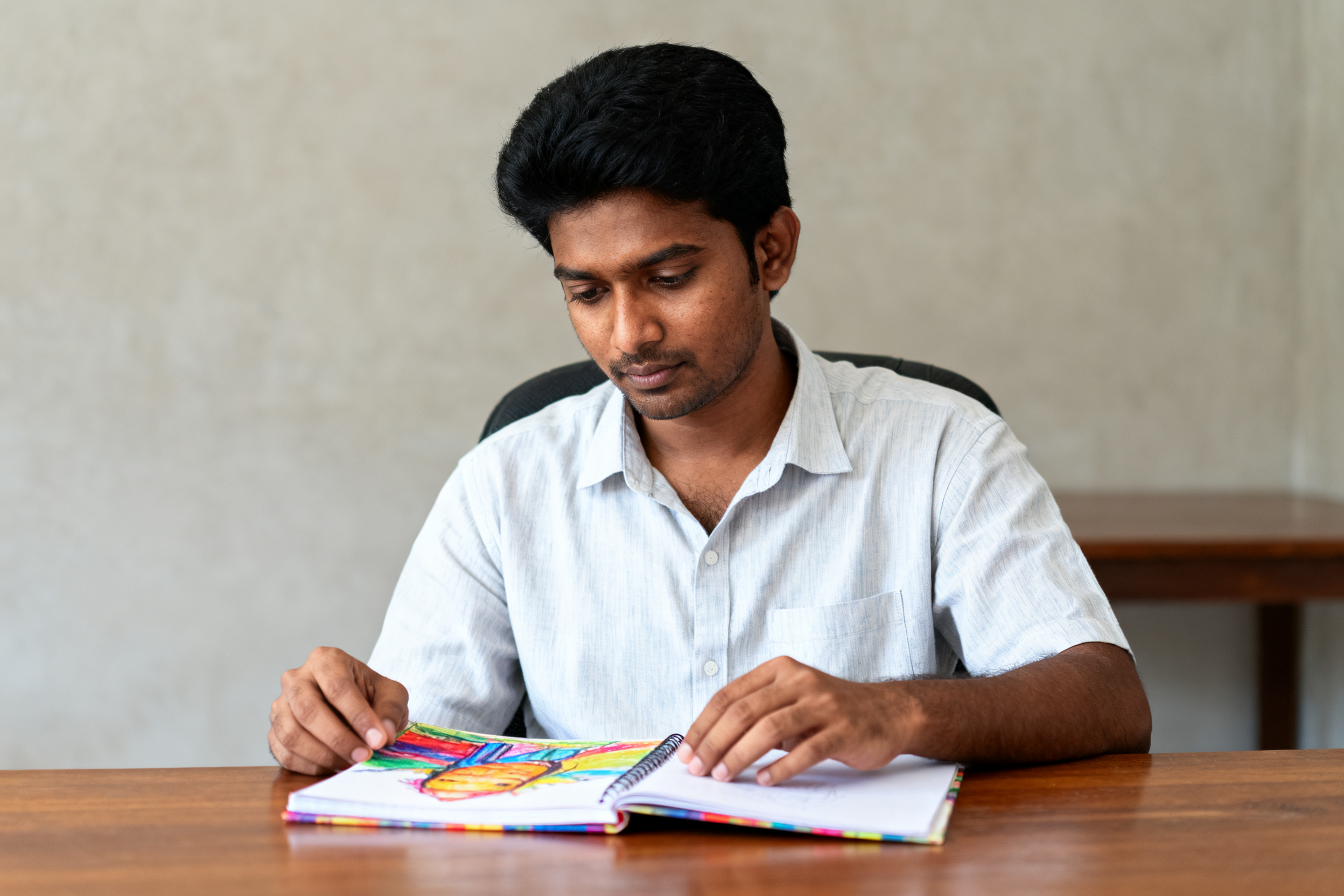
A close-up of a sketchbook on a wooden desk captures the surge of creativity & hobbies influencing today’s pop culture and lifestyle trends.
John Hawk Insunrated – a recent survey by Pew Research Center shows 68% of adults worldwide added a new hobby in 2023, signaling a cultural shift toward creative leisure.
In the post-pandemic era, people are seeking meaning beyond work, and creative pursuits provide mental resilience and social connection.
Data from UNESCO (2022) indicates a 22% increase in community art programs across major cities, underscoring policy support.
Our analysis of streaming data, social media trends, and retail sales reveals three mechanisms driving the boom.
Platforms like Netflix and TikTok reported 1.4 billion hours of DIY and crafting content watched in Q2 2024, according to Nielsen.
When influencer Maya Patel launched a weekly watercolor challenge, participation surged to 45,000 entries within two weeks, as documented on her channel analytics (2024).
These micro-communities generate peer validation, a key psychological driver identified by Dr. Laura Chen, behavioral psychologist at Stanford University, in her 2023 study.
Read More: Pop Culture Trend: The Rise of “Homebody Hobbies” and What It Means
Berlin’s “Kreativquartier” project transformed abandoned warehouses into maker spaces, attracting 12,000 monthly visitors and boosting local economies by €3.2 million in 2023 (Berlin City Report).
In Osaka, a government-backed “Hobby Hub” program reduced youth unemployment by 4.5% over two years, according to the Osaka Labor Department.
Meanwhile, Detroit’s “Artisan Alley” initiative revived historic storefronts, leading to a 15% rise in property values and a measurable drop in crime rates (Detroit Police Annual Report, 2024).
Read More: Why Everyone Is Picking Up Creative Hobbies Again: The Rise Of Creativity
Contrary to popular belief, not all hobbies improve wellbeing. A longitudinal study by the University of Melbourne (2022) found that compulsive gaming correlated with higher stress levels in 19% of participants.
However, a balanced portfolio of creative activities, mixing physical crafts with digital expression, produced the highest wellbeing scores, a nuance rarely covered in mainstream articles.
Read More: The rise of the hobby
Start with a 30-minute “skill sprint” focusing on a concrete outcome, such as painting a coffee mug or coding a simple animation.
Leverage existing platforms to find peers who share your interest.
Begin with low-cost materials, paper, recycled items, or free software trials, and use online tutorials to guide you.
Track mood changes in a journal before and after each session; studies show a 12% improvement in reported happiness after consistent creative practice.
Activities that blend physical and mental effort, such as gardening, playing an instrument, or building models, have been linked to better memory retention in a 2021 Harvard study.
Experts recommend rotating between at least two distinct hobbies every 3-4 months to keep engagement high.
In summary, the surge of creativity & hobbies reflects deeper societal needs for connection, purpose, and mental health. Which new skill will you explore next?
John Hawk Insunrated - A recent Nielsen report shows 78% of Gen Z binge-watch series weekly, highlighting a direct link…
John Hawk Insunrated - A recent survey by the American Psychological Association shows that 62% of respondents cite clutter as…
John Hawk Insunrated - A recent survey by Global Travel Index 2024 shows 27% of travelers seek destinations inspired by…
John Hawk Insunrated - The surge of meme-driven trends and algorithmic playlists has reshaped how audiences consume pop culture, prompting…
John Hawk Insunrated - Researchers at a London think‑tank reported that 68% of Gen‑Z creators cite TikTok memes as a…
John Hawk Insunrated - A recent survey by Pew Research 2023 shows 68% of millennials cite TikTok trends as a…