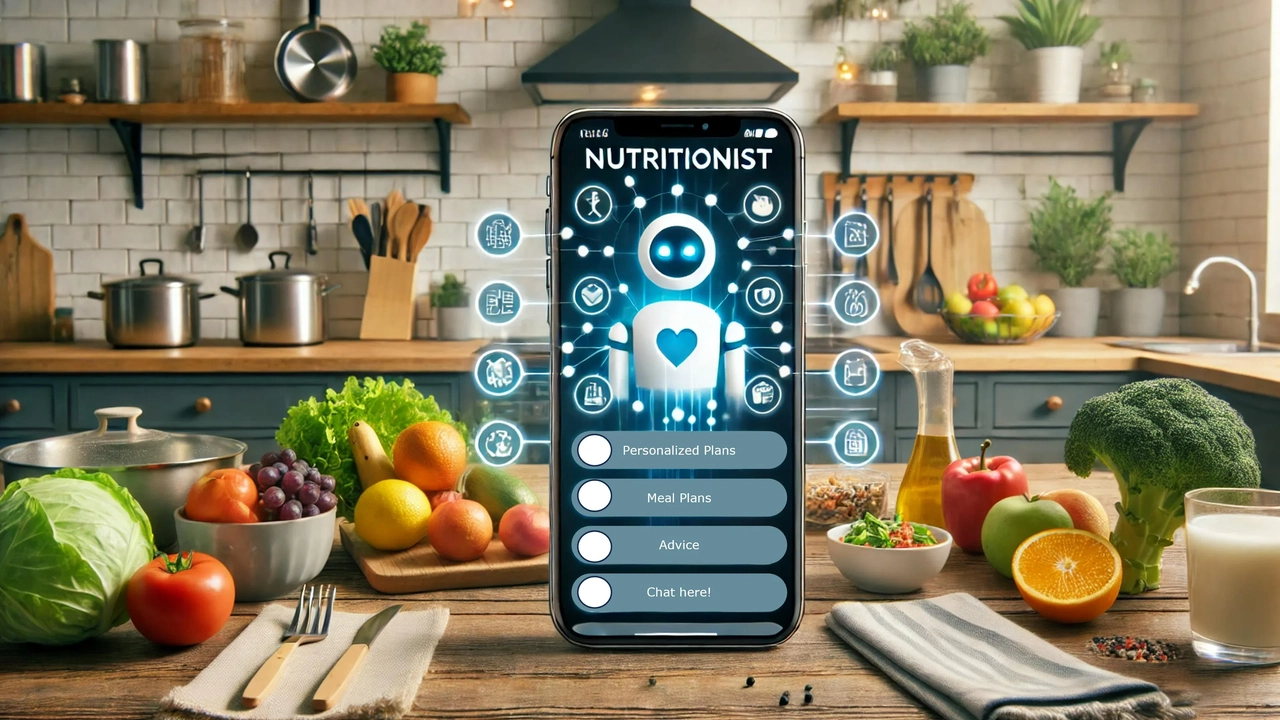
John Hawk Insunrated – AI-Driven Personalized Nutrition is transforming how people approach their diets today. This technology tailors eating plans based on individual needs, genetics, lifestyle, and preferences. Unlike traditional one-size-fits-all diets, AI analyzes complex data to recommend foods that promote optimal health. This innovation aims to reduce chronic diseases, improve wellness, and enhance quality of life. With AI’s growing role, nutrition is becoming more precise and adaptable for everyone. Personalized nutrition powered by AI moves beyond guesswork, offering actionable insights. It combines biology, technology, and data science to optimize health outcomes.
AI collects data from multiple sources, including DNA tests, medical history, and daily activity trackers. Algorithms then analyze this information to identify specific nutritional gaps or excesses. Based on the analysis, AI suggests precise foods, meal plans, and supplements tailored to the user. For instance, it might recommend boosting vitamin D intake for someone with a deficiency. The system continuously adapts its advice as users log meals and monitor their health symptoms. This real-time feedback loop ensures nutrition plans remain relevant and effective. Moreover, AI can incorporate user preferences, allergies, and dietary restrictions. This level of customization helps people stick to healthier diets. As a result, eating becomes a personalized journey toward well-being.
“Read about: Tailored Health Plans: The Future of Wellness Through Technology”
One major benefit of AI-powered nutrition is improved health outcomes. Users often experience increased energy levels, better weight management, and reduced risk of chronic diseases. The precision provided by AI minimizes guesswork common in generic diet plans. Another advantage lies in convenience. Mobile applications with AI integration allow users to access personalized advice anytime, anywhere. These apps often include meal tracking, grocery suggestions, and nutritional education. They empower individuals to make informed food choices aligned with their health goals. Furthermore, AI can highlight nutrient interactions and potential deficiencies often missed by humans. This comprehensive approach creates a holistic nutrition experience. Additionally, personalized plans can adapt to changes in lifestyle or health status, maintaining long-term effectiveness.
Despite its promise, AI-driven nutrition faces several challenges. Data privacy remains a top concern since personal health information is highly sensitive. Users need assurance that their data is securely stored and used ethically. Moreover, unequal access to advanced technology creates disparities in who benefits from AI nutrition. People in rural or low-income areas may lack resources like smartphones or reliable internet. Another limitation is that AI sometimes overlooks cultural, social, and emotional aspects of eating. Nutrition is deeply connected to traditions and personal experiences that algorithms might not fully understand. Experts stress that AI should complement, not replace, human guidance. Dietitians and healthcare providers play vital roles in interpreting AI recommendations. Together, they ensure balanced and context-aware nutritional care for each individual.
“Read more: Global Momentum Builds: Anti-Trafficking Efforts Surge in May 2025”
The future holds exciting possibilities as AI technology continues to evolve. Integration with wearable devices will enable continuous monitoring of vital signs and biomarkers. Such data will refine nutrition advice based on real-time physiological responses. AI might soon predict health risks or deficiencies before symptoms even appear. This preventive capability will help design targeted nutrition interventions early on. Collaboration between technology companies, healthcare providers, and the food industry will accelerate innovation. Personalized nutrition may become a routine part of medical care, like a digital health checkup. This integration will empower millions to take control of their health through smarter eating habits. Accessibility will improve as costs decrease and infrastructure expands. Ultimately, AI-driven nutrition will democratize healthy eating, making it achievable worldwide.
John Hawk Insunrated - Researchers at a London think‑tank reported that 68% of Gen‑Z creators cite TikTok memes as a…
John Hawk Insunrated - A recent survey by Pew Research 2023 shows 68% of millennials cite TikTok trends as a…
John Hawk Insunrated - A recent study by Pew Research 2023 shows 68% of millennials credit TV series for personal…
John Hawk Insunrated - A staggering 70% of consumer purchasing decisions now stem directly from pop culture influences, according to…
John Hawk Insunrated - The tourism landscape has shifted dramatically in the last decade. No longer just about scenery, travelers…
John Hawk Insunrated - The global obsession with entertainment is reshaping daily habits at an unprecedented rate. According to a…