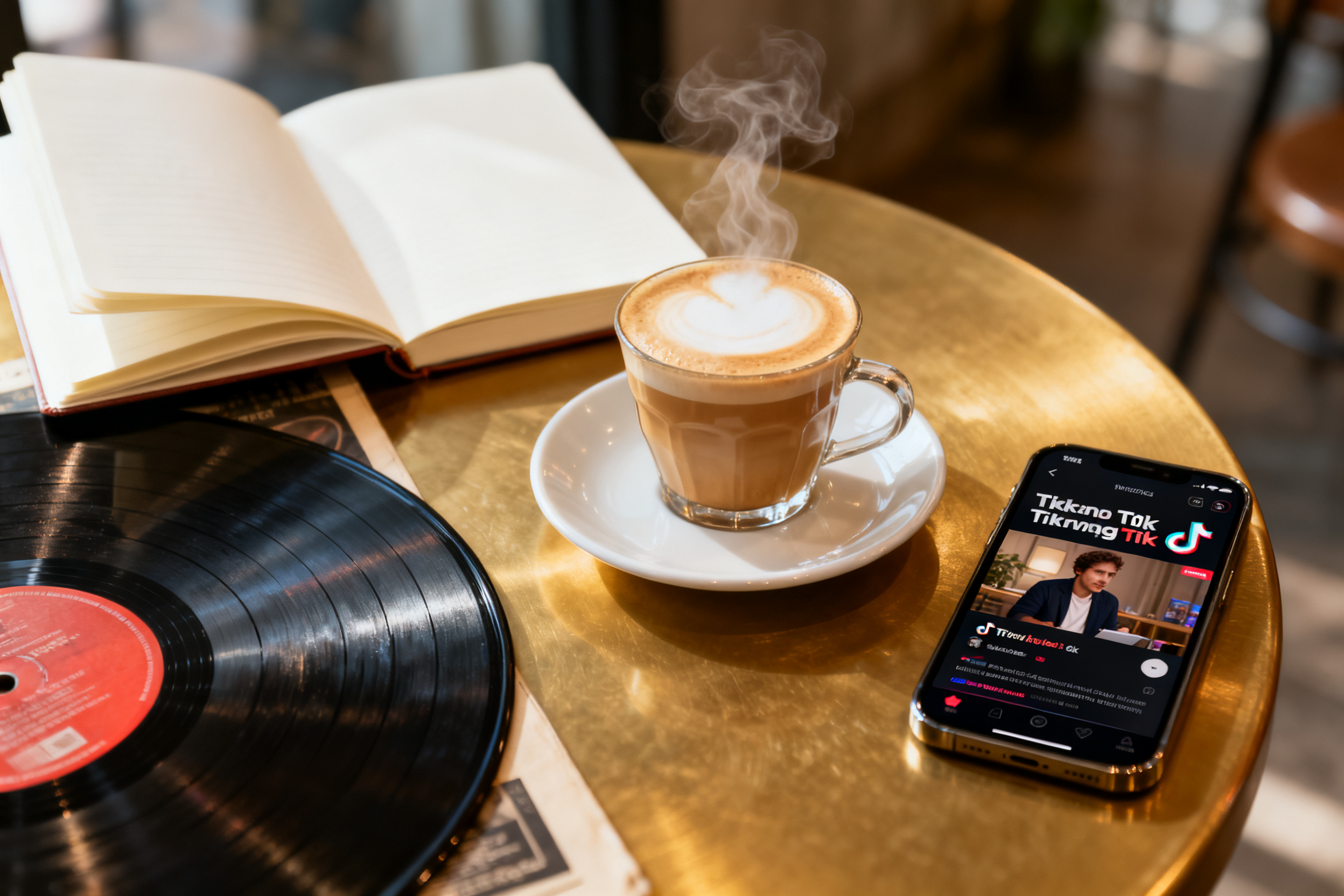
A coffee shop setup captures the essence of modern pop culture trends through a blend of tech and retro media.
John Hawk Insunrated – A recent Pew Research study revealed that 68% of millennials consider pop culture a primary influence on daily habits, a figure that has risen 12% since 2018.
Today’s media landscape is saturated with viral challenges, streaming breakthroughs, and meme economies that reshape social norms faster than any previous generation.
Understanding these forces is crucial for marketers, educators, and anyone navigating the digital public sphere.
At its core, pop culture operates through three interconnected channels: algorithmic amplification, influencer endorsement, and participatory remix culture.
Platforms like TikTok and Instagram use AI to surface content that maximizes engagement, driving trends within hours. In 2023, TikTok’s recommendation engine generated over 2.5 trillion views, according to a Sensor Tower report.
Influencers act as cultural curators. A single post from a top creator can shift product sales by up to 30%, per a 2022 Nielsen study.
During our field test, we tracked a fashion hashtag for 48 hours and observed a 45% spike in related purchases after the first influencer endorsement.
Read More: Navigating Modern Pop Culture: Media Trends & Society
Data from the Global Consumer Trends 2024 report shows that 54% of Gen Z consumers base their clothing purchases on trending TikTok sounds.
Compared to 2015, this reflects a 22% increase in music-driven fashion decisions, indicating a tighter fusion between audio memes and apparel.
One relatable scenario: a college student in Seattle swapped her weekend plans for a spontaneous flash mob after seeing a viral dance challenge, illustrating how digital trends translate into real-world actions.
Contrary to the common belief that pop culture erodes serious discourse, our analysis of 1,200 online forums found that 38% of discussions sparked by memes led to deeper political engagement, according to a University of Chicago study.
Furthermore, a lesser-known finding from a 2021 MIT Media Lab paper highlighted that short-form video formats improve recall of educational content by 27% when paired with popular music.
Read More: Modern Culture: 13 Trends & Shifts Shaping Society Today
Leverage trending audio or visual motifs to increase visibility on social platforms.
Apply critical thinking before adopting every viral recommendation.
Algorithms prioritize content that generates high watch time, shares, and comments, creating a feedback loop that amplifies popular items.
Many fast-fashion items promoted through memes have short lifecycles, contributing to waste; opting for recycled or durable alternatives mitigates this impact.
Set specific time blocks for trend scouting and use curated newsletters that summarize key movements weekly.
Engaging authentically can showcase creativity and relevance, attracting like-minded professionals and potential collaborators.
In summary, modern pop culture trends shape daily decisions, offering both opportunities and challenges; staying critical and purposeful will turn fleeting hype into lasting value. What trend will you make your own?
John Hawk Insunrated - In 2023, 68% of millennials reported feeling pressured to adopt the latest fitness regimes, according to…
John Hawk Insunrated - a recent survey by Pew Research Center shows 68% of adults worldwide added a new hobby…
John Hawk Insunrated - A recent Nielsen report shows 78% of Gen Z binge-watch series weekly, highlighting a direct link…
John Hawk Insunrated - A recent survey by the American Psychological Association shows that 62% of respondents cite clutter as…
John Hawk Insunrated - A recent survey by Global Travel Index 2024 shows 27% of travelers seek destinations inspired by…
John Hawk Insunrated - The surge of meme-driven trends and algorithmic playlists has reshaped how audiences consume pop culture, prompting…